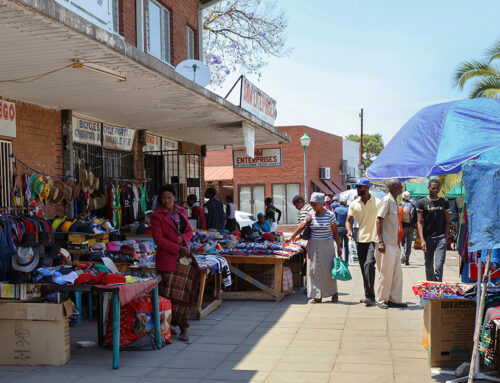

The Global South: Of Nuance and Need
Christianity’s Future Is Here—and It’s Not Where You Think
For generations, many in the West have assumed that the center of Christianity was in our own backyard—our churches, seminaries, and ministries shaping the global conversation. But today’s reality is strikingly different: the heart of Christianity now beats in the Global South.
A Global Shift We Can’t Ignore
Seventy percent of Christians now live in the Global South—regions such as Africa, Asia, the Caribbean, and Latin America. These are the places where Christianity has grown fastest in recent decades, and they will remain on the leading edge of Gospel witness for years to come. Christianity is now the most culturally diverse religion in human history, yet the voices and perspectives of these communities often remain submerged beneath Western paradigms.
This shift isn’t just about numbers—it’s about influence. The Global South is home to most of the world’s population, and by the end of this century, Africa may rival Asia’s dominant share. Even more compelling: 90% of the world’s youth live in the Global South. They are the future of the Church, and their realities will shape the next chapter of Christian mission.
Migration: Mission on the Move
Migration is another story often overlooked in the West. Forty percent of global migrants move from South to South—within their own regions. Nearly half of all migrants are Christian, making migration one of the most significant mission opportunities of our time. The face of cross-cultural mission is no longer a Western missionary—it’s an Indian business leader in Dubai or a Chinese educator in Malaysia.
The Need Is Overwhelming
While the promise is great, the need is urgent. Ninety-eight percent of people without access to or understanding of the Gospel live in the Global South, with Asia accounting for most of this group. Yet the U.S. still sends more missionaries to Europe—a continent where 76% identify as Christian—than to Asia, where billions have limited or no access to the Gospel. This misalignment should challenge us deeply.
Religious persecution adds another layer of complexity. Twelve of the thirteen countries with the highest government restrictions on religion are in the Global South. And while Christians face significant challenges, Islam is currently the most persecuted religion globally.
A Resource Gap We Must Address
Here’s a sobering reality: while 70% of Christians live in the Global South, 75% of Christian wealth remains in the West. The statistic reveals institutional disparities: most theological works, leadership programs, and mission strategies originate here—often disconnected from the cultural realities of the Global South. In mission, the West sets the agenda, and the rest do the work. This imbalance must change if we are serious about restoration.
Why This Matters for Us
If we believe in the restoration of all things—the flourishing of creation and the reconciliation of broken relationships—then we cannot ignore where God is moving. The Global South is not a distant mission field; it is the center of the Christian story today. It’s where the vast majority of Haggai Leaders already live and work. It’s where spiritual and social need collide: refugee crises, child mortality, educational gaps, and leadership corruption—all realities that demand a holistic Gospel response.
What Can We Do?
- Listen and Learn: Elevate voices from the Global South. Their perspectives are vital for shaping mission strategies that reflect cultural realities.
- Redirect Resources: Align funding, equipping, and leadership development with the places of greatest need.
- Engage the Diaspora: See migration as mission. Every Christian migrant is a potential missionary.
The question isn’t whether the Global South matters—it’s whether we will join what God is already doing there. For nearly 60 years, Haggai Leaders have been engaged in this region, transforming individuals, communities, and cultures.
Since our founding, we have realized that restoration begins when we move beyond old paradigms and embrace the diversity and dynamism of the global Church. Today is no different.
The Global South: Of Nuance and Need
Christianity’s Future Is Here—and It’s Not Where You Think
For generations, many in the West have assumed that the center of Christianity was in our own backyard—our churches, seminaries, and ministries shaping the global conversation. But today’s reality is strikingly different: the heart of Christianity now beats in the Global South.
A Global Shift We Can’t Ignore
Seventy percent of Christians now live in the Global South—regions such as Africa, Asia, the Caribbean, and Latin America. These are the places where Christianity has grown fastest in recent decades, and they will remain on the leading edge of Gospel witness for years to come. Christianity is now the most culturally diverse religion in human history, yet the voices and perspectives of these communities often remain submerged beneath Western paradigms.
This shift isn’t just about numbers—it’s about influence. The Global South is home to most of the world’s population, and by the end of this century, Africa may rival Asia’s dominant share. Even more compelling: 90% of the world’s youth live in the Global South. They are the future of the Church, and their realities will shape the next chapter of Christian mission.
Migration: Mission on the Move
Migration is another story often overlooked in the West. Forty percent of global migrants move from South to South—within their own regions. Nearly half of all migrants are Christian, making migration one of the most significant mission opportunities of our time. The face of cross-cultural mission is no longer a Western missionary—it’s an Indian business leader in Dubai or a Chinese educator in Malaysia.
The Need Is Overwhelming
While the promise is great, the need is urgent. Ninety-eight percent of people without access to or understanding of the Gospel live in the Global South, with Asia accounting for most of this group. Yet the U.S. still sends more missionaries to Europe—a continent where 76% identify as Christian—than to Asia, where billions have limited or no access to the Gospel. This misalignment should challenge us deeply.
Religious persecution adds another layer of complexity. Twelve of the thirteen countries with the highest government restrictions on religion are in the Global South. And while Christians face significant challenges, Islam is currently the most persecuted religion globally.
A Resource Gap We Must Address
Here’s a sobering reality: while 70% of Christians live in the Global South, 75% of Christian wealth remains in the West. The statistic reveals institutional disparities: most theological works, leadership programs, and mission strategies originate here—often disconnected from the cultural realities of the Global South. In mission, the West sets the agenda, and the rest do the work. This imbalance must change if we are serious about restoration.
Why This Matters for Us
If we believe in the restoration of all things—the flourishing of creation and the reconciliation of broken relationships—then we cannot ignore where God is moving. The Global South is not a distant mission field; it is the center of the Christian story today. It’s where the vast majority of Haggai Leaders already live and work. It’s where spiritual and social need collide: refugee crises, child mortality, educational gaps, and leadership corruption—all realities that demand a holistic Gospel response.
What Can We Do?
- Listen and Learn: Elevate voices from the Global South. Their perspectives are vital for shaping mission strategies that reflect cultural realities.
- Redirect Resources: Align funding, equipping, and leadership development with the places of greatest need.
- Engage the Diaspora: See migration as mission. Every Christian migrant is a potential missionary.
The question isn’t whether the Global South matters—it’s whether we will join what God is already doing there. For nearly 60 years, Haggai Leaders have been engaged in this region, transforming individuals, communities, and cultures.
Since our founding, we have realized that restoration begins when we move beyond old paradigms and embrace the diversity and dynamism of the global Church. Today is no different.
The Global South: Of Nuance and Need
Christianity’s Future Is Here—and It’s Not Where You Think
For generations, many in the West have assumed that the center of Christianity was in our own backyard—our churches, seminaries, and ministries shaping the global conversation. But today’s reality is strikingly different: the heart of Christianity now beats in the Global South.
A Global Shift We Can’t Ignore
Seventy percent of Christians now live in the Global South—regions such as Africa, Asia, the Caribbean, and Latin America. These are the places where Christianity has grown fastest in recent decades, and they will remain on the leading edge of Gospel witness for years to come. Christianity is now the most culturally diverse religion in human history, yet the voices and perspectives of these communities often remain submerged beneath Western paradigms.
This shift isn’t just about numbers—it’s about influence. The Global South is home to most of the world’s population, and by the end of this century, Africa may rival Asia’s dominant share. Even more compelling: 90% of the world’s youth live in the Global South. They are the future of the Church, and their realities will shape the next chapter of Christian mission.
Migration: Mission on the Move
Migration is another story often overlooked in the West. Forty percent of global migrants move from South to South—within their own regions. Nearly half of all migrants are Christian, making migration one of the most significant mission opportunities of our time. The face of cross-cultural mission is no longer a Western missionary—it’s an Indian business leader in Dubai or a Chinese educator in Malaysia.
The Need Is Overwhelming
While the promise is great, the need is urgent. Ninety-eight percent of people without access to or understanding of the Gospel live in the Global South, with Asia accounting for most of this group. Yet the U.S. still sends more missionaries to Europe—a continent where 76% identify as Christian—than to Asia, where billions have limited or no access to the Gospel. This misalignment should challenge us deeply.
Religious persecution adds another layer of complexity. Twelve of the thirteen countries with the highest government restrictions on religion are in the Global South. And while Christians face significant challenges, Islam is currently the most persecuted religion globally.
A Resource Gap We Must Address
Here’s a sobering reality: while 70% of Christians live in the Global South, 75% of Christian wealth remains in the West. The statistic reveals institutional disparities: most theological works, leadership programs, and mission strategies originate here—often disconnected from the cultural realities of the Global South. In mission, the West sets the agenda, and the rest do the work. This imbalance must change if we are serious about restoration.
Why This Matters for Us
If we believe in the restoration of all things—the flourishing of creation and the reconciliation of broken relationships—then we cannot ignore where God is moving. The Global South is not a distant mission field; it is the center of the Christian story today. It’s where the vast majority of Haggai Leaders already live and work. It’s where spiritual and social need collide: refugee crises, child mortality, educational gaps, and leadership corruption—all realities that demand a holistic Gospel response.
What Can We Do?
- Listen and Learn: Elevate voices from the Global South. Their perspectives are vital for shaping mission strategies that reflect cultural realities.
- Redirect Resources: Align funding, equipping, and leadership development with the places of greatest need.
- Engage the Diaspora: See migration as mission. Every Christian migrant is a potential missionary.
The question isn’t whether the Global South matters—it’s whether we will join what God is already doing there. For nearly 60 years, Haggai Leaders have been engaged in this region, transforming individuals, communities, and cultures.
Since our founding, we have realized that restoration begins when we move beyond old paradigms and embrace the diversity and dynamism of the global Church. Today is no different.